Nobody Actually Visits Their Storage Unit
Key takeaways
- Ask people with a storage unit when they last opened it and most can't say: a burst at move-in, then a door that stays shut.
- "I might need it" is a real reason to keep things, but the self-storage model punishes the exact moment you try to use them.
- A service you pay for every month but reach for once a year is mostly billing you for a door that stays shut.
- Full-service valet storage keeps the option and removes the trip: you call, we redeliver, and you never make the drive.
Most units get opened once
Ask a hundred people with a storage unit when they last opened it, and most go quiet, then guess, then admit they honestly don't remember. Not last month. Not last season. Somewhere back around the day they moved everything in. The unit's been sitting there ever since, collecting a monthly charge and a layer of dust, while the person paying for it gets on with a life that doesn't include it.
So here's the question worth sitting with: if you can't remember the last time you opened it, what are you really paying for? Almost nobody visits their storage unit, and part of the reason is the trip itself, in a city that was never built for the self-storage model. And a service you pay for every month but reach for once a year isn't storage you're using. It's storage that's using you.
A unit you open once and never return to is also one you slowly stop being able to account for, the blind spot I take apart in storage you can't see should still be inventoried: the door that never opens.
Yes, that's insurance working
Now the serious reply, and I'll grant it in a breath: rarely opening the unit is the design working, not failing. Storage was never a wardrobe you visit on weekends. It's insurance, and you're paying for the option to reach the crib, the files, and the winter gear the day you finally need them, whether or not that day ever comes. Fair, and worth real money. But keep your eye on that option, because the model does something to it the second you try to cash it in.
Where the option gets expensive to use
Here's the flip. The one thing you're paying to keep, access on the day you finally need it, is the exact thing the model makes hard. You just granted that it's insurance, so take that seriously: then look at how expensive and awkward it makes the only claim you'll ever file.
The day you finally need one box back, you supply the car you might not own, the trip across the city, and the afternoon it eats. So the rare access you're paying to keep is precisely the part the model makes hard. You bought insurance, then hid the claims office across town behind a roll-up door. And the whole time, a unit you never open still bills you every month, a cost I total up in the hidden second rent.
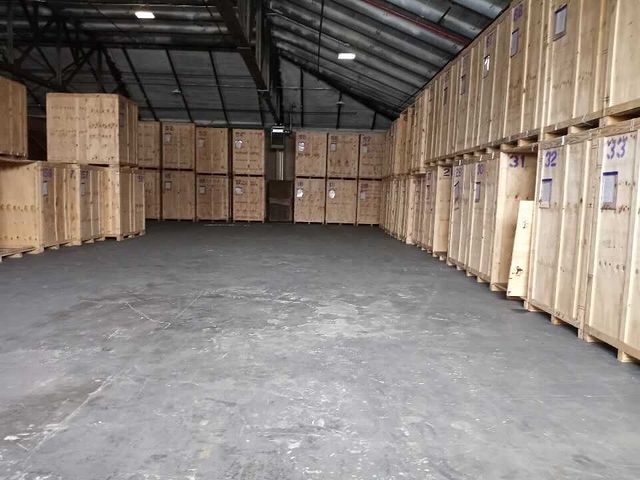
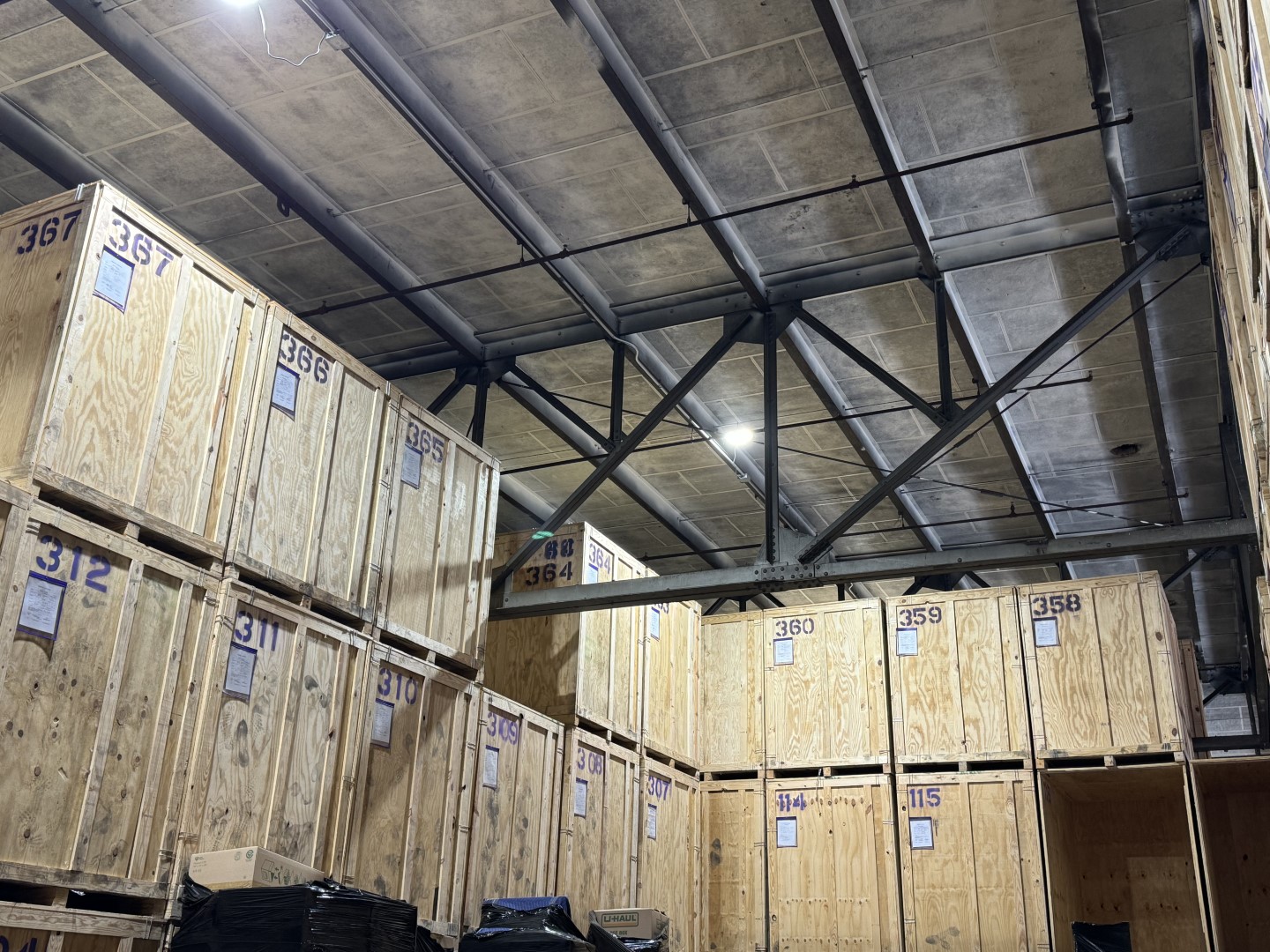
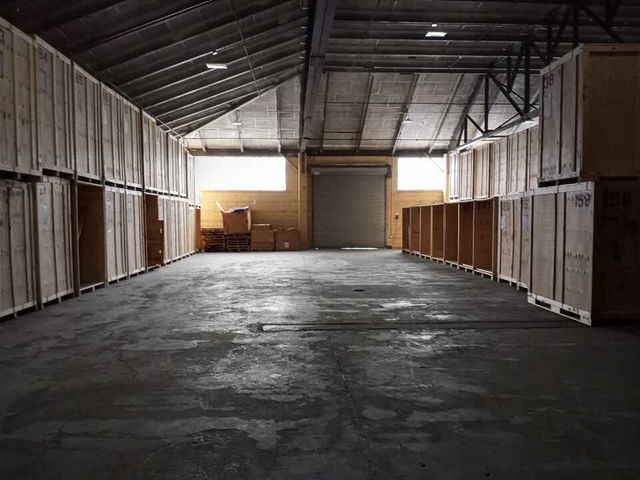
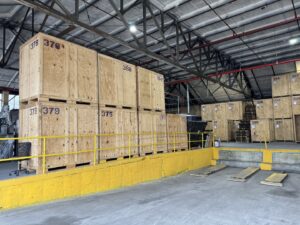
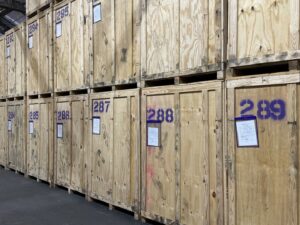
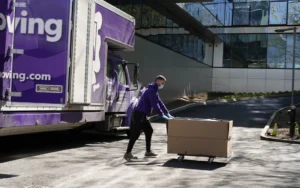
Full-service valet storage keeps the option and drops the friction. Your things still live in a warehouse under professional care, held for the day you need them. What changes is that day: you call, and we bring it back. You never find the car, never make the trip, never lose the afternoon. If you're honest that you go once a year, the model that comes to you on that one day is the one that fits how you actually use it.
The record by the gate
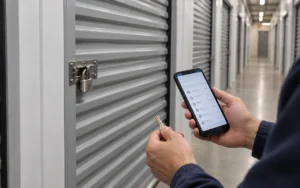
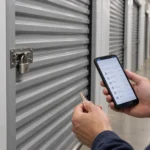
There's a pattern I've watched repeat at our warehouses more times than I can count. Somebody rents a self-storage unit, loads it over one hard weekend, and then nothing. The keypad by the gate logs every time that door opens, and for most units the record is short: a flurry at move-in, then long stretches of silence. Not because anyone's careless. Because life fills back in, and the stuff you meant to sort "soon" slowly becomes stuff you've stopped thinking about at all.
The lease tells you the unit is being used, because the payment clears every month. The attendance record tells the truth: opened once, then rarely again. And the longer that door stays shut, the more "kept" slides toward "forgotten," which is how a two-month rental becomes a six-year one without anybody deciding it should. I've watched that drift enough times to give it its own piece, in why a "temporary" unit becomes forever.
Ask a hundred renters when they last opened the unit and most go quiet, then guess. That pause tells you what a whole year of rent really bought.
Judge storage by the day you need it
When the monthly charge hits, most people ask whether the unit's worth keeping. The question that actually matters is what happens on the day you need something out of it. That's the only day the unit exists to serve, and it's the day the drive-to-a-unit model serves worst.
If the honest answer to "when did I last open it" is "I don't remember," the choice was never between this unit and a cheaper or closer one. It's whether to keep a unit at all. So weigh what's genuinely at stake: not the small comfort of your own padlock, but what the single day of access costs you, and what a year of paying for a door you never open quietly adds up to.
Most people can't name half of what's sitting in the unit they've paid on all year. That, more than the bill, is the tell. A thing you're keeping but never reaching for isn't really being stored. It's being warehoused away from a life that has quietly moved on without it.
Frequently asked questions
How often do people really use their storage unit?
Far less than they expect when they sign. The common pattern is a burst of activity at move-in and then long stretches where the door doesn't open at all. I won't hang a precise national number on it, because the honest figure is the one your own memory gives you: if you can't recall your last visit, you already know how often you go, and it's less than the monthly charge would suggest.
If I barely use it, isn't that proof the storage is doing its job?
There's real truth in that. Storage is about keeping the option to reach something, not visiting for its own sake. The catch is that the self-storage model makes that option expensive to exercise: the one day you do need something back, you supply the car, the trip, and the afternoon. Full-service valet storage keeps the option and removes the trip, because we pick up, store, and redeliver whenever you call.
Isn't a unit I rarely open at least cheap to keep around?
It's easy to treat as cheap precisely because you never think about it, but a charge that clears every month for a door you don't open adds up to real money for very little use. Paying monthly to forget something isn't a bargain, it's a habit the low rate is counting on. The honest test isn't the sticker, it's what a year of never going actually buys you.
If I switch to full-service, can I still get things back when I do need them?
That's exactly what the model is built for, the rare day you need something is the day it exists to serve. Instead of driving to a unit, you call and we redeliver what you asked for. You get the same access you were paying a unit to preserve, without the trip you'd have had to make to use it. The once-a-year day stops being a project and becomes a phone call.
Never make the storage-unit trip again
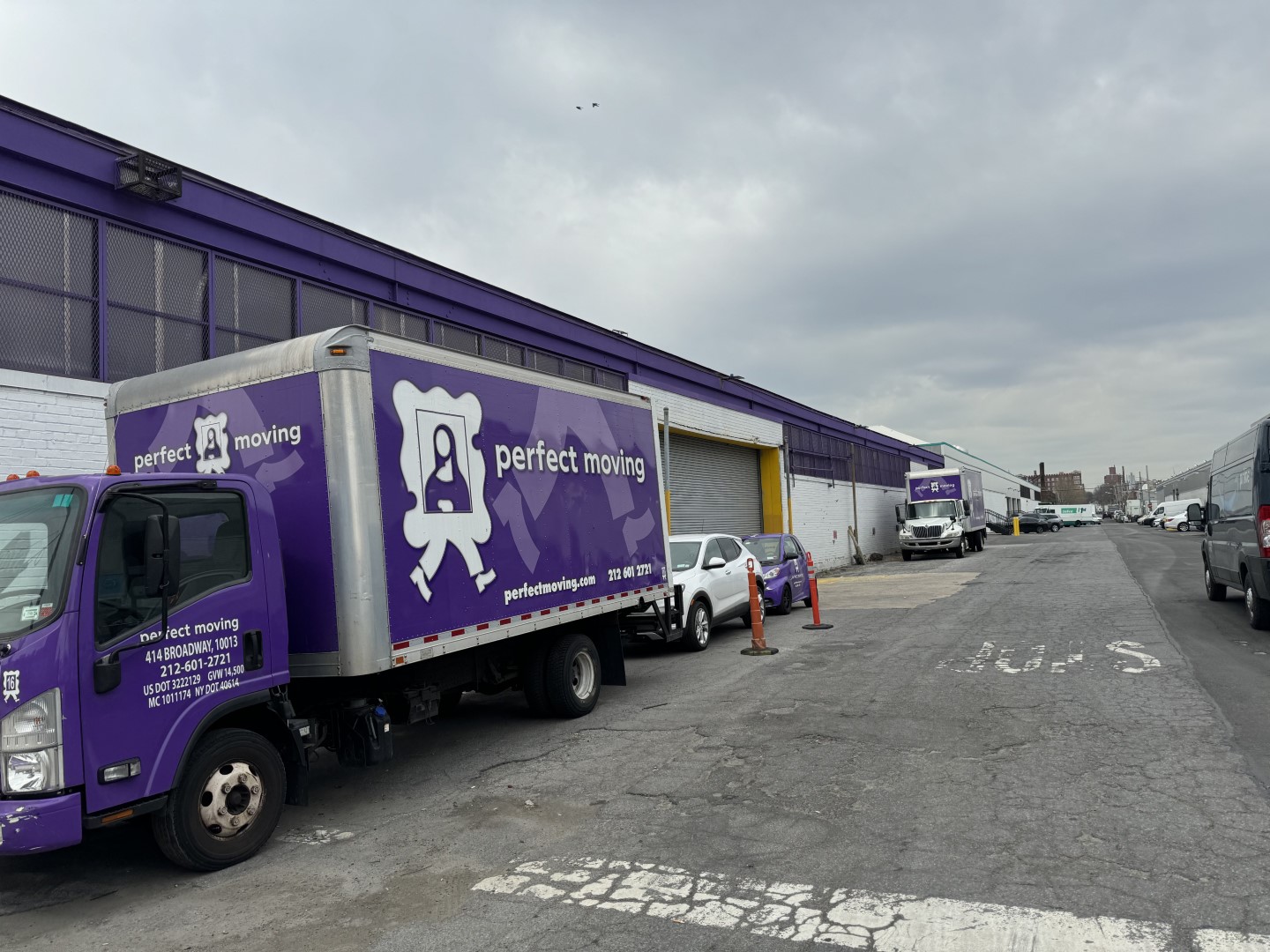
If you can't say when you last opened it, you don't need a better unit. You need storage that shows up on the one day you want something back, and stays out of your life the rest of the year. That's the idea Perfect Storage is built around. See full-service storage that comes to you.
This piece is drawn from the author's own experience running full-service moving and storage in New York over more than a decade, on the trucks and the warehouse floor. The pattern of how rarely units get opened is offered as a first-hand operator observation, not a cited statistic. No external sources are cited.
- The Storage Unit You Drive To Is a Relic: the pillar, on why the drive-to-a-unit model itself has aged out.
- The Hidden Second Rent: what a self-storage unit really costs, including the months you never open the door.
- Why a "Temporary" Storage Unit Quietly Becomes Forever: what happens when the unvisited unit stops being temporary.
- The Future of Storage Is a Service, Not a Space: where all of this ends up when storage stops being a place you drive to.