The Hidden Second Rent: What a Storage Unit Really Costs
Key takeaways
- A storage unit is really a second rent: a recurring lease that renews by default and is far easier to sign than to end.
- Its real cost lands in the months you forget it, when the door stays shut and the charge keeps running. Call it the forgetting fee.
- A second rent is judged by its commitment shape, open-ended and auto-renewing, whatever the monthly number happens to read.
- Full-service valet storage changes the shape as well as the price: it's priced to the space you use, with no unit to drive to.
Two rents, one apartment
A customer in Astoria did the math out loud on the phone. Her studio ran 1,900 a month, and the unit holding her off-season clothes was another 240 she'd paid for three years running without ever noticing it. She wasn't calling to complain about the 240. She was calling because she'd just said the two numbers back to back for the first time, and hearing them together changed what the second one felt like.
We file a storage bill under one-off convenience, a small thing we'll get around to dealing with. It isn't that. A storage unit is a second rent, a recurring lease you signed without ever calling it one, and like any lease its default setting is renewal, not ending. You don't finish a lease. You have to go end it. The low sticker that lures you in has its own story, in why your storage rate goes up; this piece takes the whole total down to the bill.
Yes, it's cheaper than a bigger apartment
We agree on plenty here, so let me begin there. A unit is far cheaper per month than an extra bedroom. It solves a genuine problem: your apartment ran out of room, and this bought you more without moving. Plenty of people look at the number, decide the overflow is worth it, and pay it on purpose with their eyes open. Put that way, calling it a "second rent" can sound like a scare word for a line item people are perfectly comfortable with.
I share every inch of that ground. Nobody's tricked into wanting more room in a city that never has enough of it, and a unit isn't a scam. It solves something. So set aside whether it's useful; of course it is. What we're actually weighing is narrower and easier to miss: the kind of commitment you signed up for without quite noticing.
The shape of the bill, not the size of it
Grant all of it, and the problem just moves. Here's the flip that does the work. A rent isn't defined by its dollar amount. It's defined by its shape: an open-ended lease that keeps renewing until you go and make it stop. By that definition your storage unit is a rent in every way that counts, whatever the monthly number reads.
So it behaves like your first one. It auto-renews. It's easy to start and slow to end, and its cost isn't the months you use it. It's the months you don't. A unit that made sense during a renovation keeps billing long after, because closing it takes a call and a free afternoon you never quite have. That's how a "temporary" unit becomes a standing one, a drift I trace in why a temporary unit becomes forever.
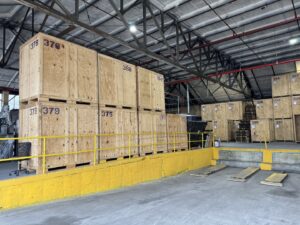
Full-service storage changes the shape, not just the number. It's priced to what you actually use, so you're not holding an empty half-room at full price, and it doesn't conscript your car and your Saturdays on top of the monthly charge, because we pick up, store, and redeliver, and you never drive to a unit at all. The full itemized receipt, the rate plus the truck plus the gas plus the hours, is a longer story I total up elsewhere. This piece is about the commitment, not the arithmetic.
The call that comes when it's time to close it
The calls that stay with me aren't the sign-ups. They're the ones where somebody finally rings their old storage company to close a unit out. Almost every one hits the same beat. They go quiet for a second, do the multiplication, and land on a number of months far bigger than they'd have guessed. Two years. Thirty months. A unit rented for one winter that outlived three of them.
That's when the math lands. Add up the months you never once opened the door, and the unit wasn't storing your things those months so much as charging you to forget them. That's the forgetting fee, the biggest line on the bill nobody prints.
The model isn't built to remind you. A lease you never think about is the most profitable kind there is, so the standing renewal isn't a flaw in self-storage. Charging you for a room you've forgotten is the point of it. And none of that makes the customer foolish; it just means the design is working exactly the way it was built to. Most people barely set foot in the unit they pay for, which gets its own piece in most people never visit their unit.
A second rent is defined by its shape: an open-ended lease that keeps renewing, and it bills you hardest for the months the door stays shut and you forget it's even there.
Move it onto your rent line
So here's the one change that does the work. Stop filing the unit in its own little mental category, the miscellaneous drawer where small recurring charges go to be ignored. Move it onto your rent line, right under the number you already respect. Your rent is 1,900. Your storage is another 240. Say them together, the way the Astoria customer did, and the second one stops being background noise.
Once it sits next to your rent, the honest comparison shows up on its own. Most people, once they see the two rents side by side, at least want the second one to be straight about what it's charging for. That's a fair thing to want, and it's the shape full-service is built to give you.
So ask yourself the question the sticker keeps you from asking. Not what the unit costs this month, but this: do you want a second lease running quietly in the background at all, and if you do, should it be one that charges you whether you ever open the door or not?
Frequently asked questions
Is a storage unit really a second rent, or just a monthly bill?
It behaves like a rent in the way that matters most: it's a recurring lease that renews by default, it's easy to sign and genuinely hard to end, and you keep paying whether you use it or not. The dollar amount is usually smaller than an apartment's, but the commitment has the same open-ended shape. That's why it's worth judging as a lease, not as a one-time convenience you'll sort out later.
It's far cheaper than renting a bigger apartment, so what's the problem?
Nothing, if you're using it and you've decided you want it. The point isn't that a unit is overpriced. It's that most of its real cost is the months it sits shut while the charge keeps running. A unit rented for one purpose tends to outlive that purpose by years, because ending it takes effort nobody gets around to. The price per month can be reasonable and the total can still be far more than you meant to spend.
What is the "forgetting fee"?
It's the money you pay for the months you never open the door. A storage unit doesn't send a reminder or a renewal notice, so a unit you stopped needing keeps billing in the background. Add up those unused months and they're usually the largest part of what the unit cost you. That forgetting isn't your failure. It's what the model is designed to bank on.
How does full-service storage change the cost, not just the price?
It changes the shape of the commitment. Full-service, or valet, storage is priced to the space you actually use, and instead of renting a room you drive to, we pick up, store, and redeliver whenever you ask. So there's no empty unit renewing at full price, and no car, van, or Saturday bolted onto the monthly charge. You're paying for storage that does its own job, not for a lease you have to remember to end.
See what storage costs when it isn't a lease you forgot you signed
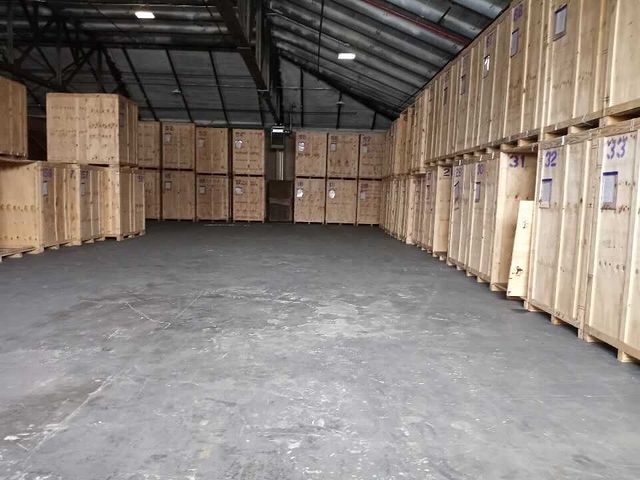
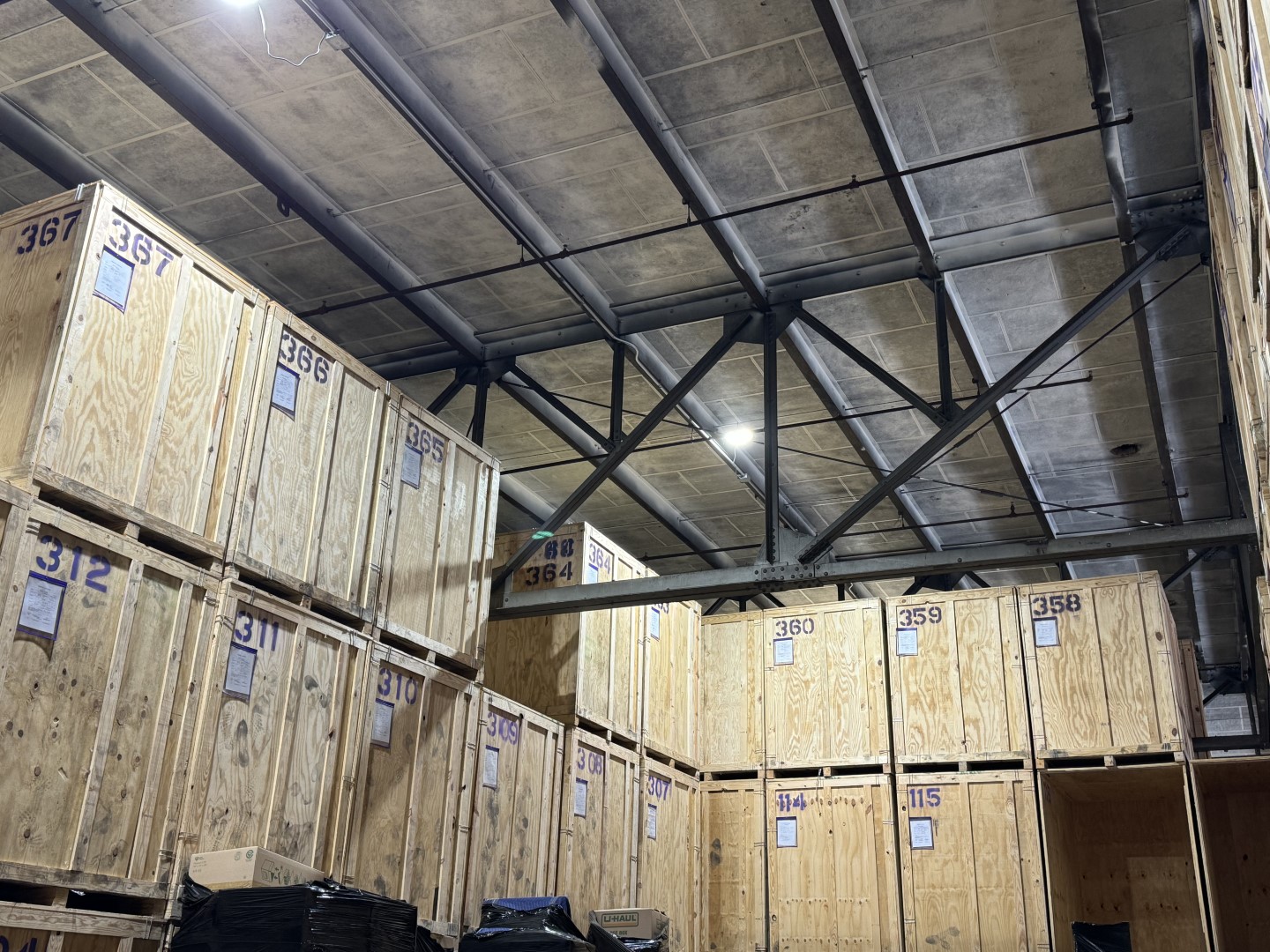
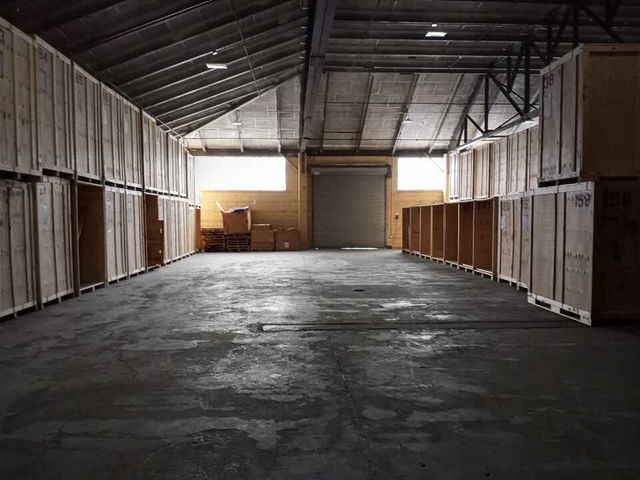
If you'd rather pay for the space you use, and never wake up to a unit that's been renewing itself in the background for a year, that's what Perfect Storage is built to do. See what you pay for with full-service storage.
This piece is drawn from the author's own experience running full-service moving and storage in New York over more than a decade, on the trucks and the warehouse floor. The studio and storage figures in the opening are one customer's own numbers, shared as an illustration, not an average or a claim about what storage costs. No external sources are cited.
- The Storage Unit You Drive To Is a Relic: the pillar, on why the drive-to-a-unit model itself has aged out.
- The Rate You Sign Up For Isn't the Rate You'll Pay: why the low first number is an opening bid, the hidden-fee companion to this piece.
- Why a "Temporary" Storage Unit Quietly Becomes Forever: how a unit rented for one season keeps renewing into years.
- Nobody Actually Visits Their Storage Unit: the empty-months habit the forgetting fee is built on.