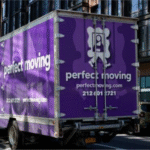
The Storage Unit You Drive To Is a Relic
Key takeaways
- Self-storage is the last part of city life almost nobody questions: you rent a room, then supply the car, the muscle, and the Saturday it takes to use it.
- That model was built for a car-and-garage world. Dense, car-light New York is a different place, and most households here own no car.
- Full-service valet storage inverts the deal: we pick up, store, and redeliver, so you never visit a unit at all.
- The real alternative to a self-storage unit is storage that does its own job: it shows up, takes your things, and brings them back, so renting a room stops being the question.
The building that outlived its own idea
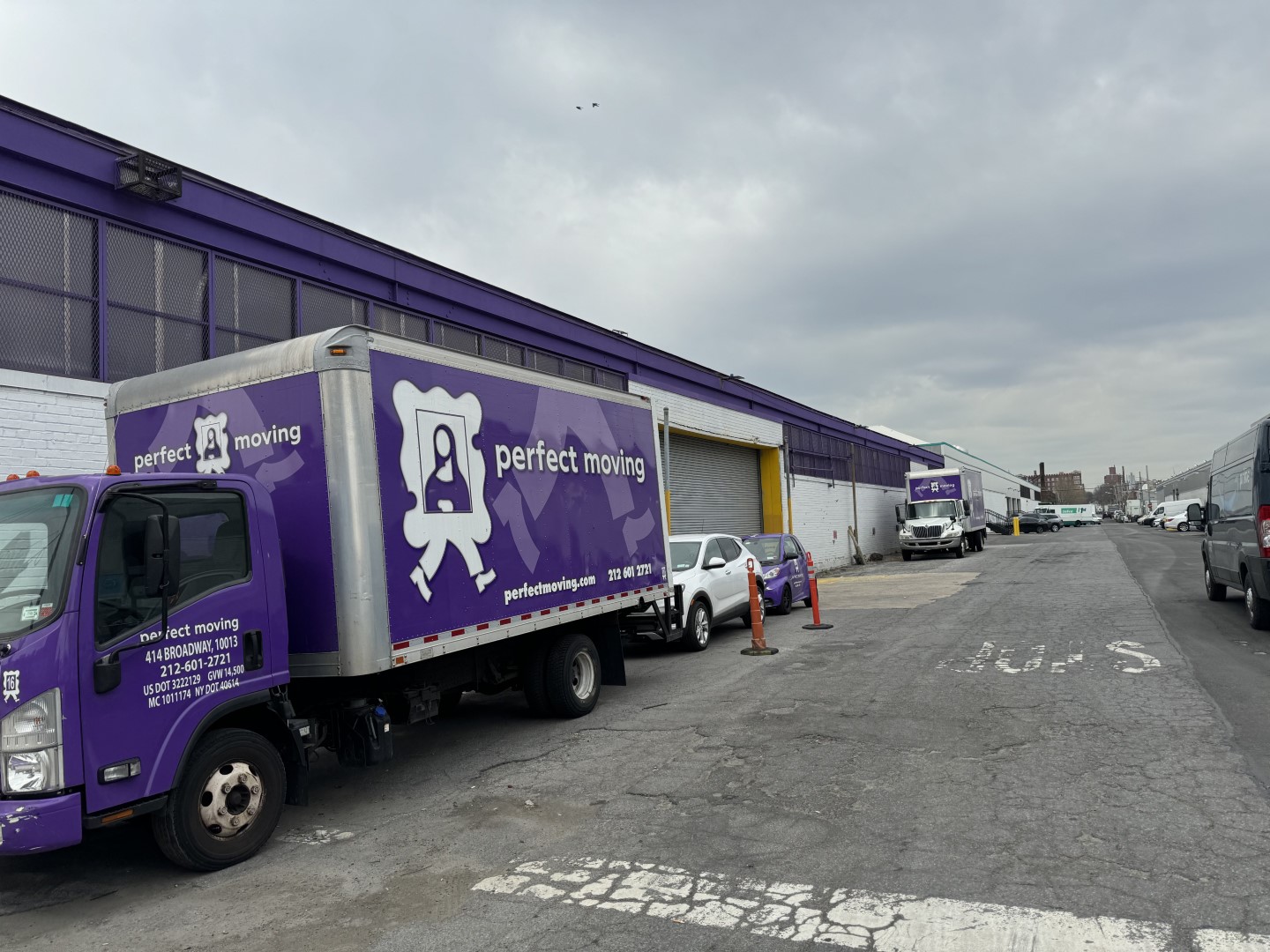
Drive past any self-storage building in Queens and you see the same thing: a parking lot, a roll-up door, and a monument to a way of storing things that is already a relic.
We treat that building as a neutral utility, a plain box you rent when the apartment runs out of room. It isn't neutral. It is a relic. The self-storage unit was designed for a car-owning, garage-having world, and it quietly hands you a second job: to use the room you're paying for, you also have to become the mover, the driver, and the person carrying it all up the stairs.
Plenty of people will defend the unit they already rent. I take up that case head-on a few sections down. But once you treat the unit as a habit rather than a fact of life, the better answer stops looking like a unit at all. It's a different model of storage.
The job nobody mentions at signing
Here is the part the low monthly rate never advertises. A self-storage unit is only half a service. It rents you four walls and a padlock, and then it assumes you'll supply everything that makes storage work: a vehicle to haul your things across the city, the hours to load and unload them, and the back to carry them.
Read the lease and you won't find that written anywhere, because it isn't a line item. It is an assumption baked into the model from the day the model was invented, when storage lived on the edge of town and everyone drove. You were supposed to have a car and a free weekend. The unit was the easy part.
For most New Yorkers, that assumption stopped holding. This is a city where most households don't own a car, a point worth its own piece in New York wasn't built for self-storage. The building didn't change. The city did. And a storage model that takes for granted a car you don't have isn't serving you, it is billing you for a room and outsourcing the rest of the work back to you.
The honest case for a padlock of your own
Here is the strongest case for a padlock of your own. I want to build it properly, not knock it over easy.
It goes like this. Self-storage is cheap, it is everywhere, and it is simple. You get a private room and a key that is yours alone. You decide when to show up, you touch your own things, and nobody handles your belongings but you. For a lot of people that autonomy is the whole point, and the idea of a warehouse crew collecting your things and bringing them back sounds like handing over control, not gaining anything.
Control over your own belongings is worth something, and that is the core of the objection. It is the part I want to keep.
Autonomy you have to carry up four flights
Here is where that case fails. The autonomy isn't free, and it is barely autonomy at all. It is unpaid labor wearing a nicer word.
The private room only works if you also provide the van, the muscle, the Saturday, and the trips back and forth every time you need one box. In a car-light, walk-up city, that is a tax most people never priced in when they signed. You didn't buy freedom. You bought a room and a standing obligation to move yourself.
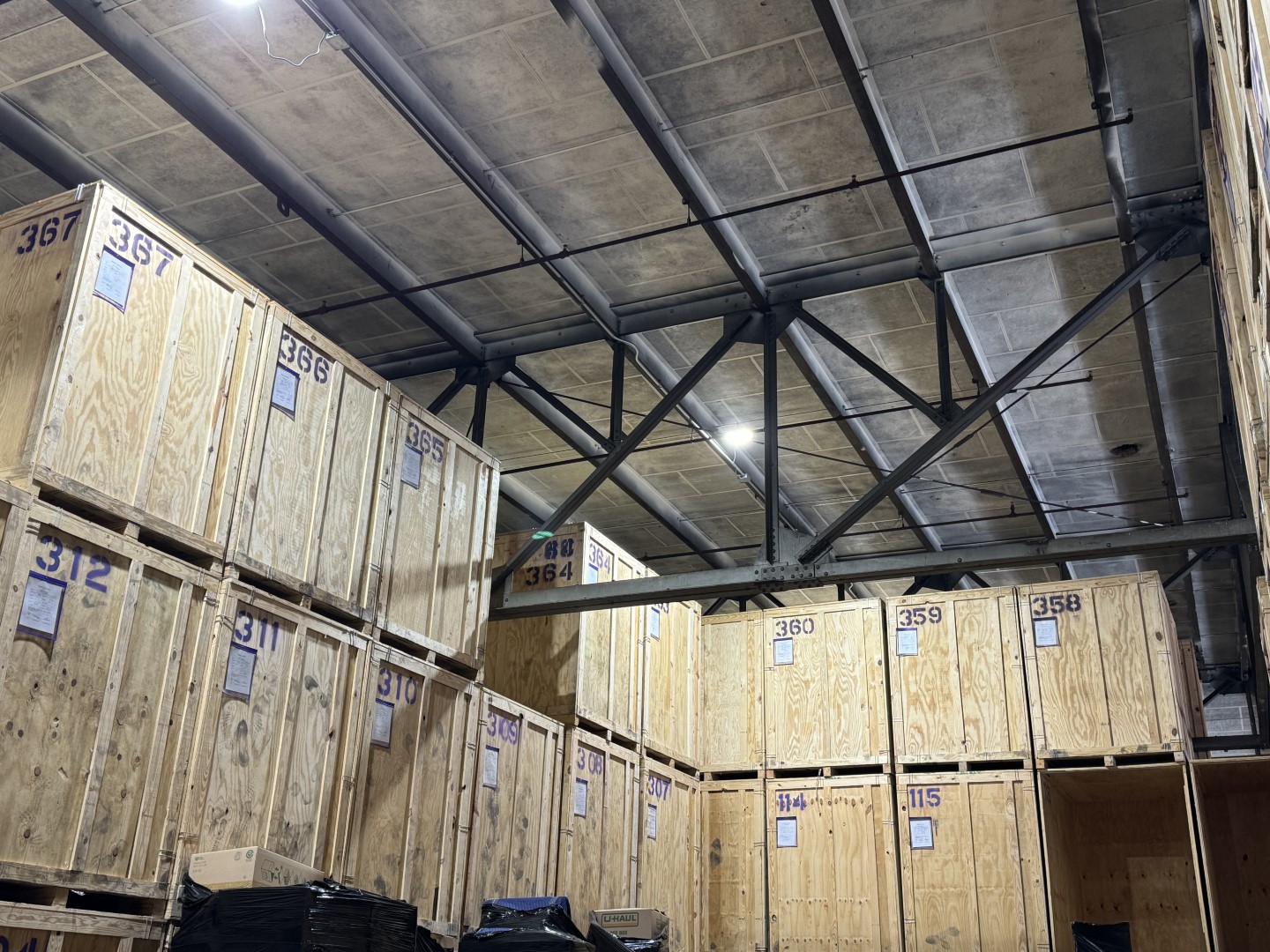
Full-service valet storage keeps the part of that promise that actually mattered, and drops the part that never should have been yours. Your things still live in a private, accountable warehouse under professional care. What changes is who does the lifting. You call, we pick up. You call again, we bring it back. You never drive to a unit, never rent a van, never lose the day. The control you wanted was never about carrying boxes yourself. It was about your things being there when you need them, and coming back when you ask.
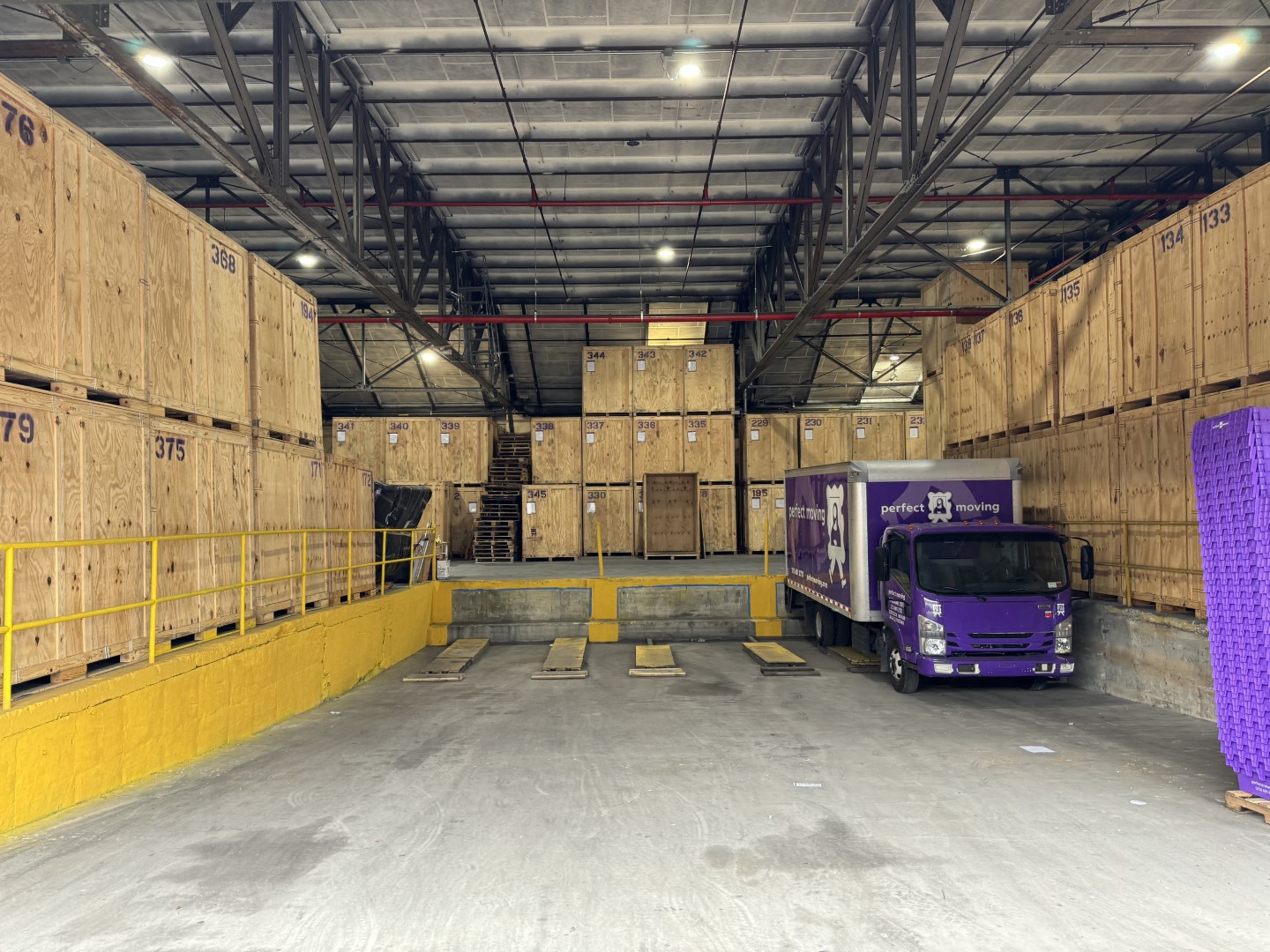
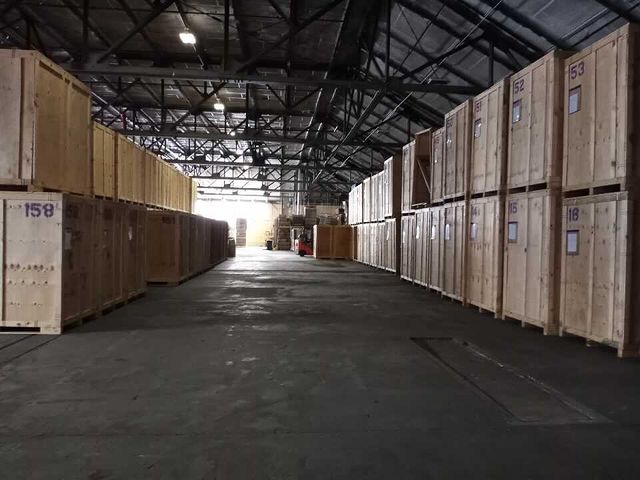
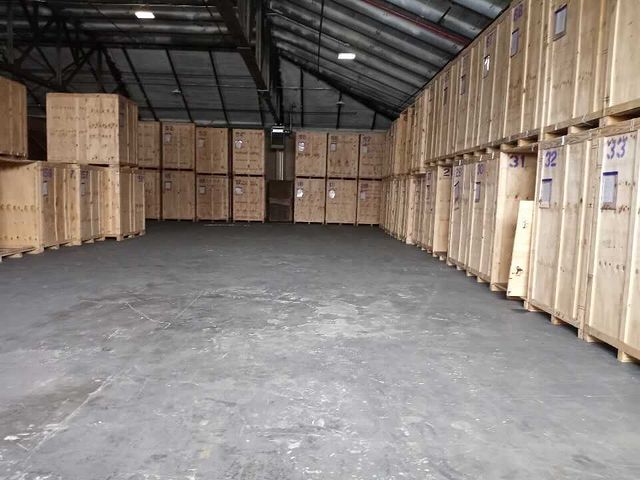
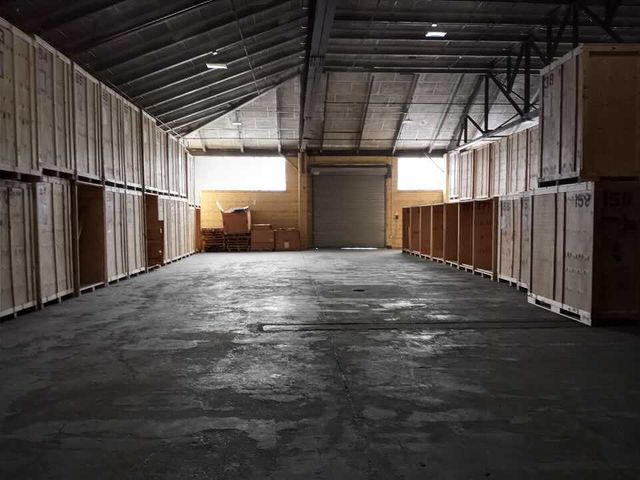
It also matters who stands behind that promise. A padlock on a chain-run unit answers to nobody in particular. Perfect Storage is a New York family business that runs its own warehouses in Queens and the Bronx, staffed by our own crews, the same people you reach when you call. That is the edge over both a faceless self-storage chain and an app that dispatches strangers with a van: there is an operator here, accountable for the work.
None of this is about finding a cheaper padlock or a closer facility. The all-in cost of a self-storage unit is its own long story, one I add up in the hidden second rent. The point here is simpler and comes first: the model itself is the thing that aged out.
What the loading dock shows you
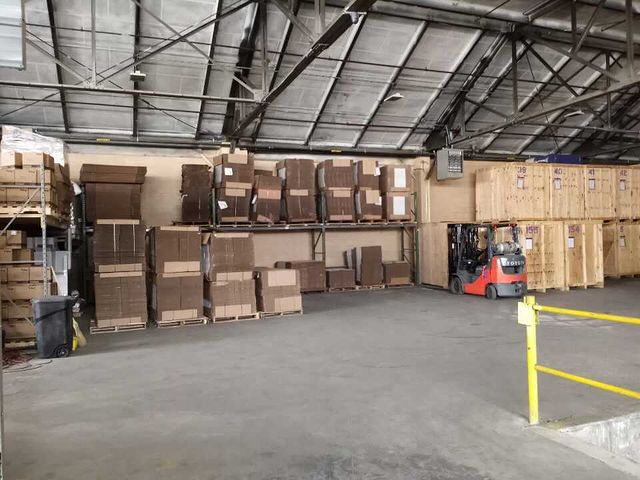
I spend my days around storage warehouses and moving crews, and the redelivery calls are where the two models stop being theoretical. Somebody needs one thing back, the winter coats, a file, the crib, and how a company answers that call tells you which model it really runs.
In the self-storage version, one box back is a whole afternoon: find the car, drive out, dig through the unit in the dark, drive home. In the valet version, it is a phone call and a scheduled drop at the door. Same belongings, same city, same person. The only thing that changed is who does the driving.
A storage unit you drive to, load, and unload is a room you rent and a job you inherit. The self-storage model quietly drafted the customer as the mover.
That gap is the whole argument in miniature. The self-storage unit isn't neutral infrastructure. It is the version of storage that drafted the customer as the mover. Take that job back off the customer, and what is left is storage that comes to you, which is just storage finally doing its own job.
Stop shopping for a better unit
So the next time your apartment runs short on room, notice the question you reach for by reflex. It is almost always "where do I get a unit," never "should the model that made me the mover still be the default at all."
Change the question and the answer changes with it. The real alternative is storage that shows up, takes your things, keeps them safely, and brings them back on your schedule, run by people who do this work so you don't have to. That is the whole idea, and it is what makes the drive-to unit a relic.
What "full-service" should actually mean is worth pinning down exactly, which I do in what full-service storage should mean. Where all of this is headed is the note this series closes on, in the future of storage is a service.
Frequently asked questions
What is the alternative to a self-storage unit?
The alternative is full-service, or valet, storage: instead of renting a room you drive to, you call and a crew picks your things up, stores them in a warehouse, and redelivers them when you ask. You never visit a unit, rent a van, or carry anything up the stairs. It keeps the private, accountable storage and removes the moving job the old model handed you.
Why call self-storage a "relic"?
Self-storage is a relic because it was built for a world of cars and garages and still assumes you'll supply the vehicle, the labor, and the trips to use it. That assumption made sense when storage lived on the edge of town and everyone drove. In a dense, car-light city it turns the customer into the mover, which is exactly the part that has aged out.
Isn't a private unit with my own key better than a warehouse handling my things?
A private key gives you control over access, and that is worth something, but in practice it also makes you the mover, the driver, and the loader. Full-service valet storage keeps your belongings in a private, professionally handled warehouse and gives them back on your schedule, so you get the access you wanted without the labor you didn't.
Does full-service storage cost more than a self-storage unit?
The honest answer is that the sticker rate on a self-storage unit is only part of its real cost, once you add the van, the trips, and the lost time. The full breakdown deserves its own piece, which is why I total it in the hidden second rent. The point of this piece is the model, not the math: valet storage changes what you're buying, not just what you pay.
See what storage looks like when the driving isn't yours
If you want to know what storing your things feels like when you never have to load a van or find a parking spot, that is the whole idea behind Perfect Storage. Get the full-service storage overview.
This piece is drawn from the author's own experience running full-service moving and storage in New York over more than a decade, on the trucks and the warehouse floor. One external fact is referenced:
- US Census Bureau, American Community Survey, on household vehicle availability in New York City: most New York City households own no car, cited qualitatively as "most NYC households" rather than as a specific percentage.
This is the pillar. Each piece below takes one part of the argument and goes deep.
The model, and what it really costs
- The Rate You Sign Up For Isn't the Rate You'll Pay: why the low first number on a self-storage unit is an opening bid, not a price.
- New York Wasn't Built for Self-Storage: what a car-light city does to a model that assumes you drive.
- The Hidden Second Rent: the real cost of a self-storage unit, once you count the parts that never make the price tag.
- The Move-It-Yourself Tax: what it really costs to rent the van and move your own things into storage.
- Nobody Actually Visits Their Storage Unit: most people open a unit once, then pay on it for years.
- Why a "Temporary" Storage Unit Quietly Becomes Forever: how a two-month rental turns into a six-year one.
When New Yorkers reach for storage
- The Closet You Don't Have: where seasonal things should live when the floor plan forgot to give you a closet.
- Renovation Storage Without the U-Haul: where the furniture should sleep while the dust flies.
- The Between-Leases Gap: the two weeks a whole apartment has nowhere to be.
- What to Do With Your Apartment When You Leave the City: the empty apartment you keep paying full rent to hold.
- When New Yorkers Reach for Storage: why demand tracks life events, not the calendar.
- Student Storage: Summer Storage for NYC Students: the dorm move-out deadline you don't control.
Trust, care, and the standard
- Storage You Can't See Should Still Be Inventoried: why a thing you own but can't list is misplaced, not stored.
- What "Full-Service" Storage Should Actually Mean: the short test that separates a service from a rented room.
For a business
- Your Office Is Paying Rent to Store Dead Furniture: the back room of broken chairs is your most expensive storage.
- Records and Inventory Don't Belong in Prime Square Footage: old files don't need a window seat.
Where it all goes
- The Future of Storage Is a Service, Not a Space: where all of this ends up when storage stops being a place you drive to.