The Closet You Don't Have
Key takeaways
- A closet that overflows every fall usually means the apartment was drawn up with one closet when your life runs on three.
- Seasonal things are genuine belongings: a winter coat and a beach chair are things you use hard, just never in the same month.
- Full-service storage rotates the off-season out in spring and brings it back in fall, so you never drive to a unit or haul a thing.
- Judge a full closet as a floor-plan gap you can bridge, something you work around without purging what you still use.
The one closet losing its war
The apartment had exactly one closet, and by October it was losing a war between winter coats, beach chairs, and a Christmas tree that lived there year-round. The woman who rented it walked me through the crowding apologizing the whole way, like a full closet was a character flaw she just hadn't gotten around to fixing.
She'd already settled on the problem. She owned too much, and the answer was another weekend of purging until the door finally shut. I hear that read almost every week, and I think it's usually the wrong one. A closet that overflows every fall isn't proof you failed to let go. Most of the time it's proof the apartment was built without the closet your actual life needs.
A floor-plan gap, not a hoarding problem
So here's what I've come to believe about a cramped New York apartment. The crowding rarely comes from owning too much. It comes from a place drawn up with one closet when your life runs on three, and the honest fix is rotating out the seasons you're not using, not decluttering until it hurts. That's a different diagnosis than the one most people reach for, and it changes what you do about the closet.
It also cuts against the reflex I take apart in the drive-to storage unit is a relic: the idea that when a home runs short on room, the only answer is to rent a unit across town and carry half your life into it. The closet problem and the storage problem are the same problem, and neither one gets solved by owning less.
But isn't the real fix just owning less?
A thoughtful minimalist makes the opposite case, and makes it well. The truest tell of a losing closet, they'd say, is that you own more than your home can hold. Renting space to keep a beach chair eleven months a year is paying every month to dodge a decision you should make once: keep less, and the closet stops overflowing on its own. They're not wrong that most of us own more than we use.
So let me grant that win, and then count its cost out loud, because the trade is what nobody names. Clear the closet by giving things away and you buy back the floor at the price of the coat itself. Come November you rebuy the coat or you shiver; come summer you rebuy the chair. There's genuine lightness in owning less, and for anything you've truly finished with, I'd tell you to donate it and skip storage entirely. The bill only lands on the things you'll reach for again.
A winter coat was never the clutter
So walk to that closet in July and open it. The winter coat still hangs there under a garment bag, next to boots you won't touch for months. That coat isn't clutter. You use it hard, just never in the same month as the beach chair wedged behind it. What crowds the rail isn't a pile you failed to release. It's twelve months of an ordinary life trying to fit a closet built for one season. The coat was never a maybe. It just needs somewhere to live until the cold comes back.
That gap is what full-service storage is built for. You call, we pick up the off-season load in spring, and bring it back when the weather turns, so nothing rides on your back and there's no unit for you to drive to. And the demand for exactly this runs on the calendar, not on anything we invented to sell a plan; I lay out when New Yorkers actually reach for storage in when New Yorkers reach for storage.
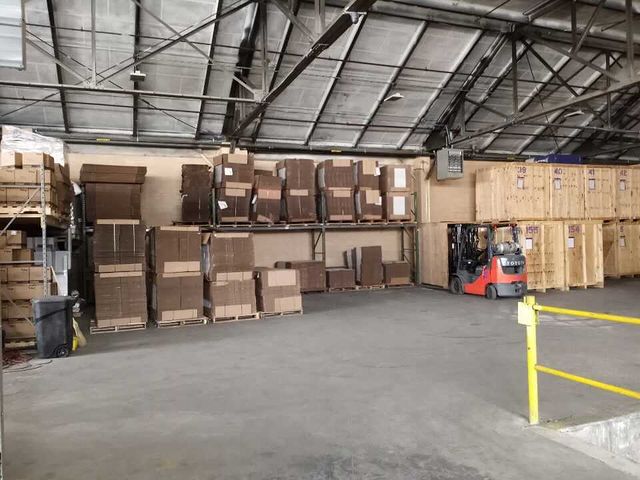
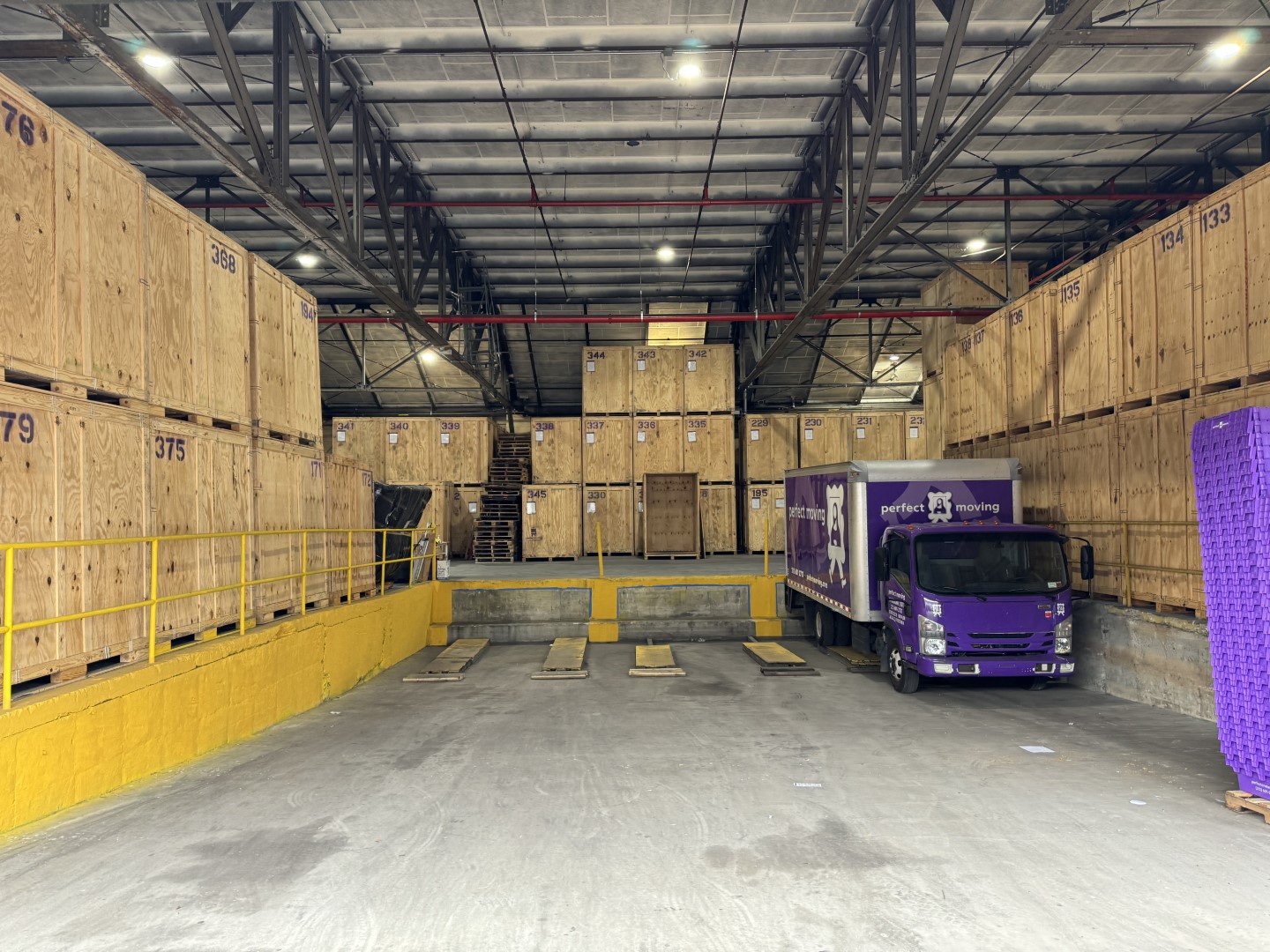
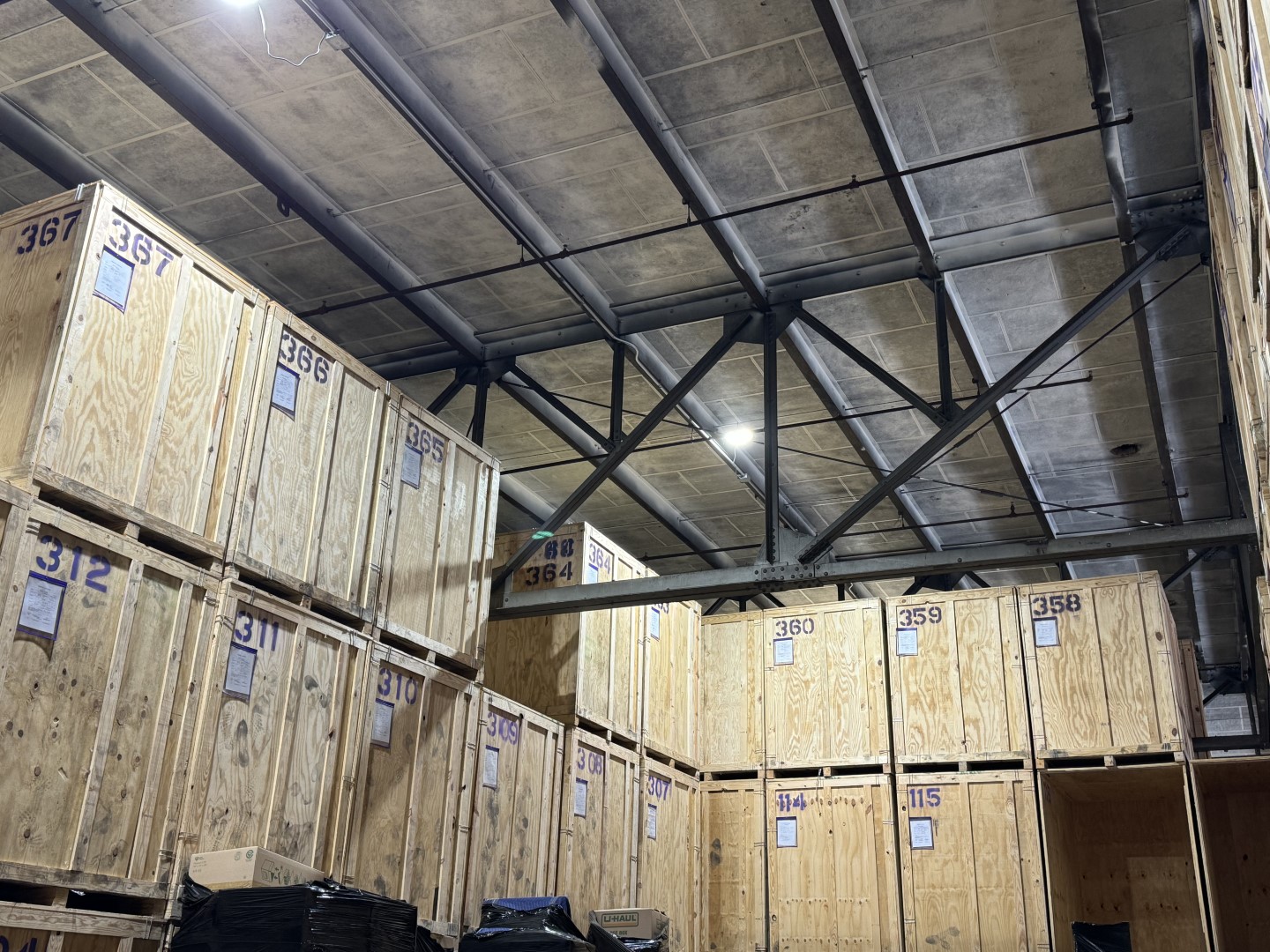
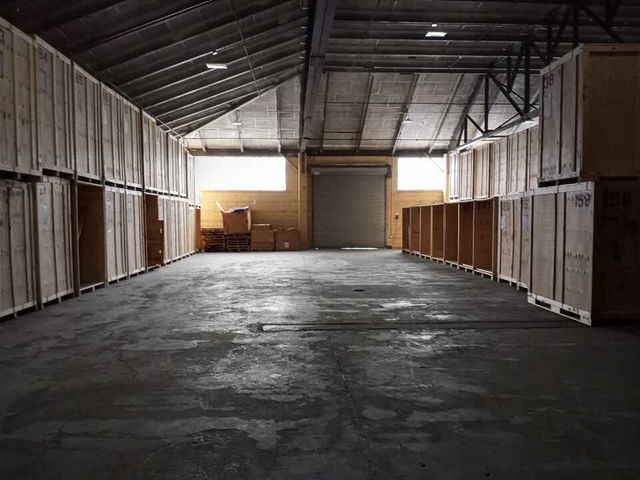
For the things that suffer in a hot apartment, a wool coat, a leather bag, a box of photos, our warehouses are enclosed and temperature-moderated, which beats a fourth-floor closet that bakes all summer. I won't oversell it. It's steady, indoor, protected space, not a promise that nothing will ever age. But there's a real difference between a July walk-up and a stable warehouse, and your winter things feel it.
What people hand us every October
The things people ask us to take for the season tell the same story every fall. Coats and comforters and boots in October. Fans, the window unit, and the beach gear in April. A Christmas tree and six bins of ornaments that spend eleven months doing nothing but blocking a closet. None of it is junk. It's a life that runs on a calendar, kept in an apartment that only has room for one season at a time.
So when the floor plan forgot to give you a closet, storage that swaps winter for summer is the closet you never got. It fills in spring, empties in fall, and hands back the shelf, the corner, and the floor the tree had been standing on. You keep everything you use. You just stop keeping all of it in the room at once.
Here's the rule the floor plan forgot: one closet holds one season. Everything else you own on a calendar has to live somewhere off the rail.
You were never the problem here. The floor plan was, and unlike your habits, a floor plan is something you can work around without giving anything up.
Read the closet as architecture
So here's the invitation, for the next October the door won't shut over the coat, the beach chair, and the tree. Read the crowding as a gap in the floor plan, the closet the architect never drew, rather than a verdict on your character. Then let the season you're not using come stay with us until you want it back. You get back the shelf, the corner, and the floor the tree stood on, and you give up nothing you love. Come see what the apartment feels like once the missing closet is finally added.
Frequently asked questions
Where can I store seasonal items in a small NYC apartment?
The most practical option in a car-light city is full-service storage: instead of renting a unit you drive to, you call and a crew picks up your off-season things, keeps them in a warehouse, and brings them back when the season turns. Winter coats and holiday decorations leave in spring, beach gear and fans leave in fall, and your one closet only ever has to hold the season you're actually in.
Is renting storage for seasonal clothes worth it, or should I just declutter?
Decluttering makes sense for things you've stopped using, but seasonal items aren't in that category. A winter coat and a beach chair are things you genuinely use, just not at the same time of year. If the crowding in your closet is mostly things you'll want again in a few months, rotation lets you keep them without giving up things you'd only have to buy back later.
How does seasonal storage rotation actually work?
You call when a season ends, and a crew collects the things you're done with for now, coats and boots in spring, fans and beach gear in fall. They're stored in the warehouse, and when the weather turns you call again and they come back to your door. You never rent a van, drive to a unit, or carry anything up the stairs; the closet you don't have is the one that shows up on schedule.
Will my clothes and belongings be safe in seasonal storage?
Our warehouses are enclosed, access-controlled, and temperature-moderated, which is steadier than a top-floor closet that overheats all summer. That's a real step up for a wool coat or a box of photos, though no storage is a guarantee that nothing ever ages. Your things are held in professional, accountable custody rather than crammed into a corner of a hot apartment.
Give your seasons a closet of their own
If your apartment handed you one closet and your life clearly needs three, that gap is exactly what full-service storage is built to close. We rotate the season you're not using out and bring it back when you need it, so the floor plan stops deciding what you're allowed to keep. See household storage that rotates with the seasons.
This piece is drawn from the author's own experience running full-service moving and storage in New York over more than a decade, on the trucks and the warehouse floor, and from the seasonal pickups and redeliveries we handle every spring and fall. One external matter is referenced:
- MMCG Invest (2024), on U.S. self-storage seasonal-occupancy demand, showing NYC storage demand is seasonal, peaking in late spring and summer and lowest in winter (a generalized industry shape; no figure from Perfect Storage's own records is used).
- The Storage Unit You Drive To Is a Relic: the pillar, on why the drive-to-a-unit model itself has aged out.
- When New Yorkers Reach for Storage: when demand actually peaks, and why it tracks life-events more than the calendar.
- The Hidden Second Rent: the real cost of paying every month to keep things you rarely reach for.
- What "Full-Service" Storage Should Actually Mean: the short test that separates a real service from a rented room.