

Expert Tips for Tent Storage Plus a Special Savings Offer
Unlock the Secrets to Long-Lasting Tents
Master the Art of Tent Storage
Cleaning
Gently brush off any loose dirt or debris. Use lukewarm water and a non-detergent soap to clean the fabric. Avoid harsh chemicals as they can damage the waterproof coating.Drying
Before storing, ensure the tent is completely dry. Hang it outside or in a well-ventilated area away from direct sunlight to prevent mildew and UV damage.Inspecting
Check for any signs of wear and tear. Look for rips, tears, or holes and repair them using a tent repair kit.Disassembling
Carefully disassemble your tent. Fold poles starting from the middle to distribute tension evenly and avoid damaging the elastic.Packing
Loosely roll or stuff the tent in its storage bag. Avoid tight folding as it can create stress points and weaken the fabric.Storing
Keep the tent in a cool, dry place. Avoid basements or attics where temperature fluctuations and humidity can cause damage.
Peace of Mind with Properly Stored Tents
Embrace Worry-Free Adventures with Properly Stored Tents – Plus, a Special Offer
By meticulously preparing your tent for storage, you not only preserve its condition but also ensure it’s ready for your next outdoor excursion. Proper storage safeguards against mold, fabric degradation, and ensures optimal functionality, making every trip a success. Remember, a well-maintained tent is a reliable partner in your outdoor adventures. Choose us for your storage solutions and enjoy the peace of mind that comes with expert care. Plus, act now and receive a 10% discount on our storage services. Secure the future of your adventures – request a quote today!
Tent Storage FAQ
When it comes to storing tents, people often have several common questions to ensure they are doing it correctly and safely. Here are popular FAQs about storing tents in New York City:
Begin by setting up your tent in a well-ventilated area, preferably outdoors on a dry day. Dust off any loose soil, leaves, or debris using a soft brush. Prepare a cleaning solution of mild, non-detergent soap and lukewarm water. Clean the tent fabric gently using a sponge or cloth, focusing on soiled areas, but avoid scrubbing harshly to prevent damage to the waterproof coating. Rinse the tent thoroughly with clean water to remove soap residue. Allow the tent to air dry completely, which may take several hours or a day, depending on weather conditions. Never pack the tent away while damp as this promotes mold and mildew growth.
The original tent bag is designed for compact, short-term storage and might not be ideal for extended periods. For long-term storage, opt for a larger, breathable bag like a cotton sack, a mesh laundry bag, or even a pillowcase. This allows air to circulate around the fabric, reducing the risk of mildew and fabric compression. Ensure the storage location is dry and cool, away from direct sunlight or any heat sources, to preserve the tent’s material and coatings.
Waterproofing your tent before extended storage isn’t strictly necessary but can be beneficial. Applying a waterproofing treatment can help maintain the tent’s resistance to water and protect against fabric deterioration, especially if it has been frequently used or exposed to harsh conditions. If you decide to apply a waterproofing agent, follow the manufacturer’s instructions carefully. Ensure the tent is entirely dry and clean before applying the treatment, and allow it to fully dry afterwards. This preventive maintenance can extend the life of your tent, ensuring it’s ready for your next adventure.
Instead of folding your tent along the same lines every time, which can lead to fabric wear and tear, loosely roll it up, changing the folding pattern occasionally to avoid creating permanent creases. Begin by laying the tent flat, smoothing out air pockets and straightening materials. Fold the sides toward the center, gently smooth the fabric, then loosely roll from one end to the other. This method minimizes stress on the fabric and coatings. Additionally, loosely packing the tent in a breathable storage sack can further prevent damage by allowing materials to relax and breathe.
Select climate-controlled storage to protect your tent from extreme temperatures, which can degrade fabric and coatings over time. Store the tent off the ground on a shelving unit or in a hanging mesh bag to promote air circulation and prevent moisture accumulation. Ensure the storage area is clean and dry, avoiding proximity to chemicals or sharp objects that could damage the tent. If climate control isn’t an option, consider using silica gel packets within the storage container to absorb excess moisture, but make sure the tent is in a breathable container to prevent condensation. Regularly check the storage condition of your tent, especially if stored for long periods, to ensure it remains dry and in good condition.


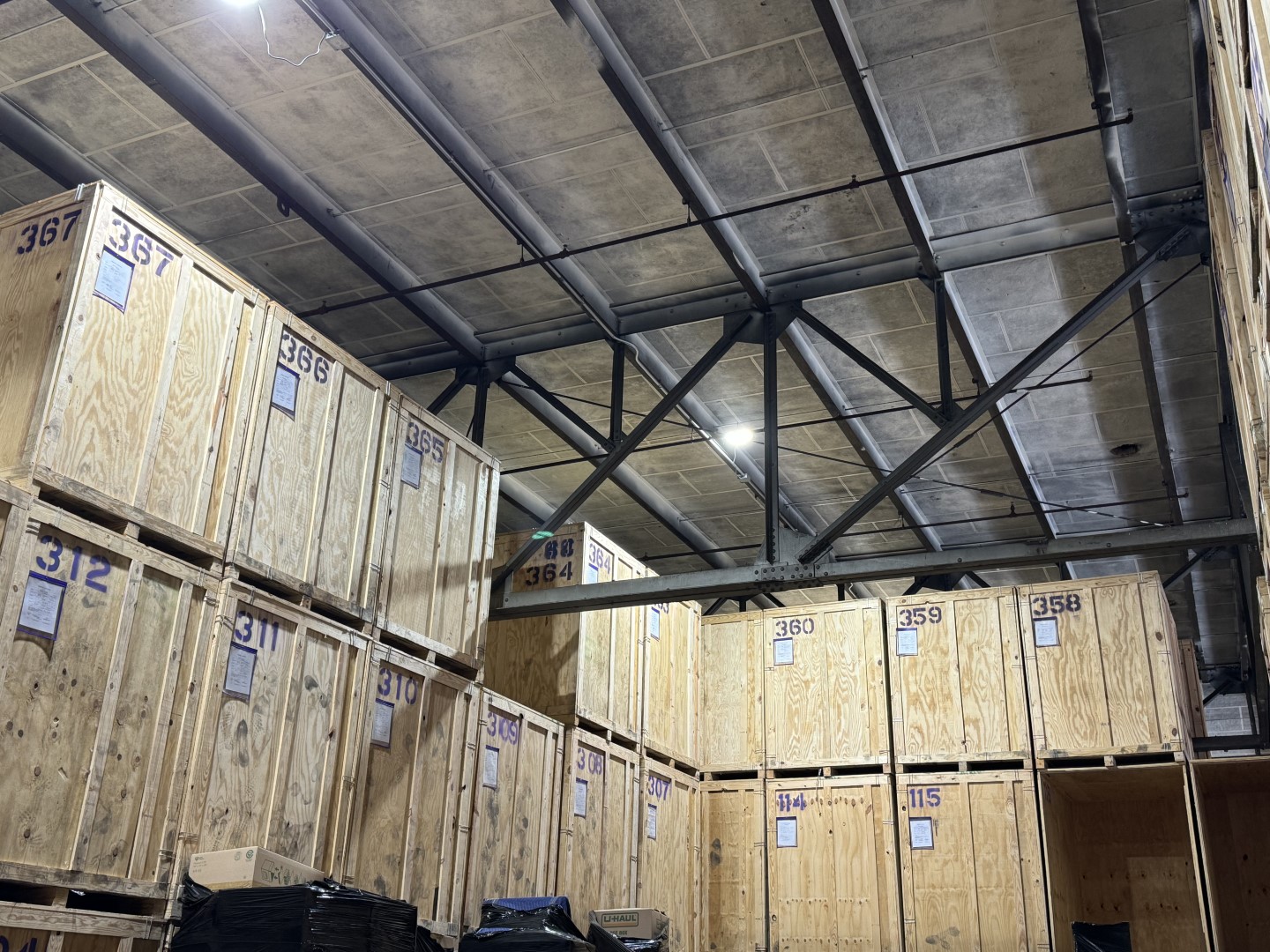
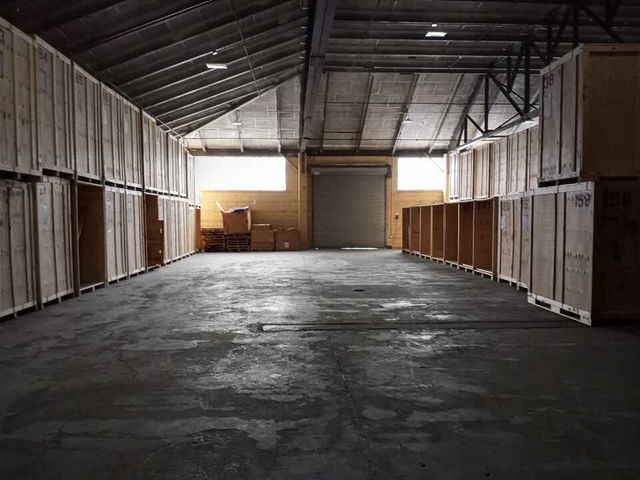
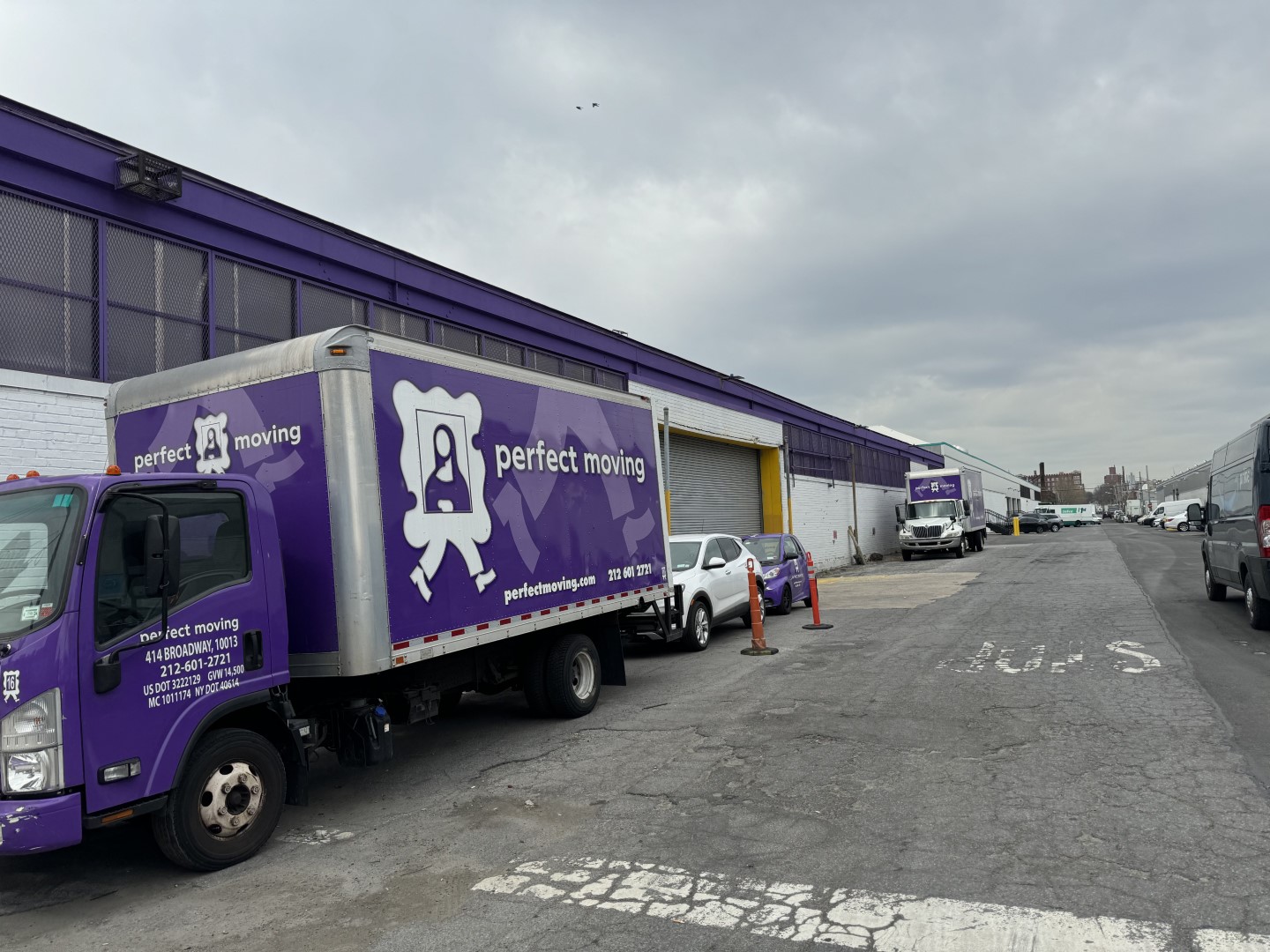

Your Go-to Choice for Storage in NYC
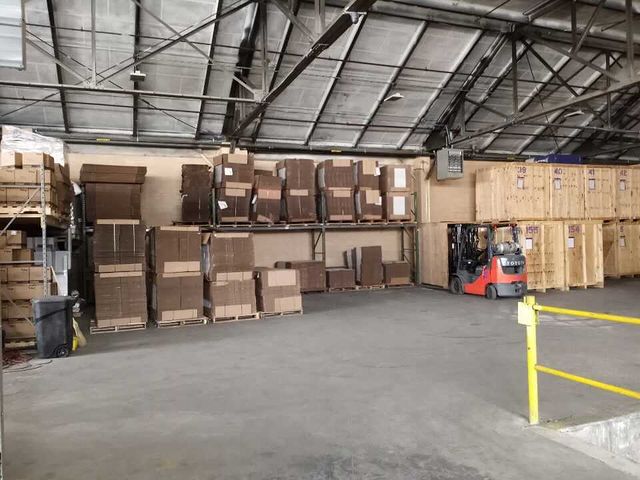
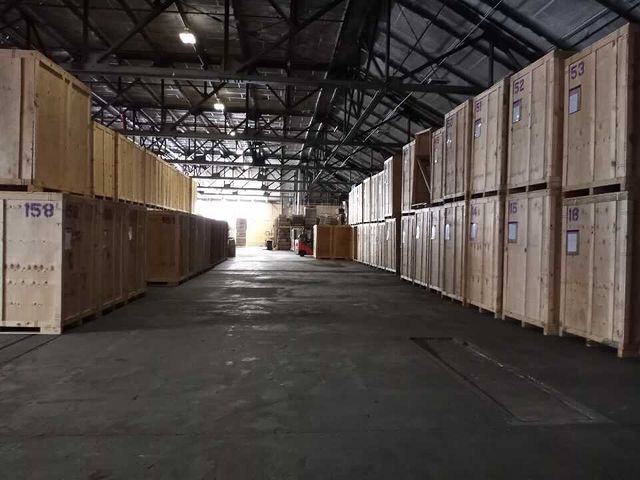
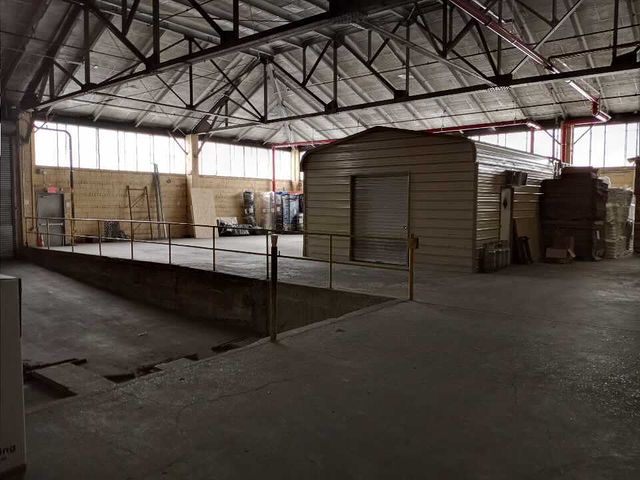
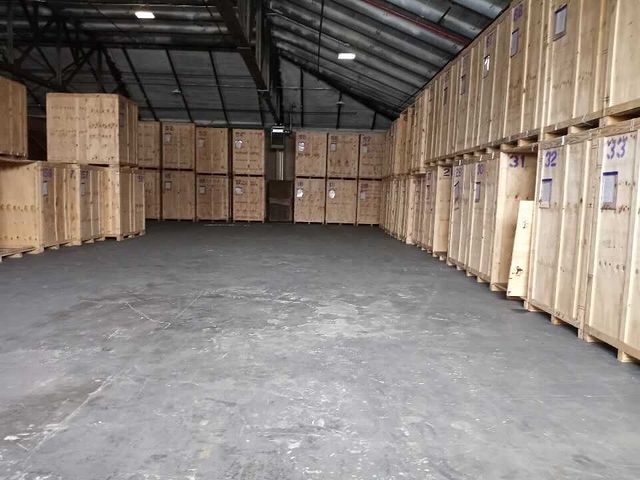
Here’s why countless New Yorkers choose Perfect Storage:
-
Convenience at Its Best
Forget the hassle of renting trucks or lifting heavy boxes. Our full-service approach means we handle everything – from packing to transporting to storing your items. -
Security You Can Trust
Your belongings are precious. That's why our warehouses are monitored, alarmed, and access-controlled. -
Customizable Solutions
Whether it’s a few boxes or an entire home’s worth of items, we have flexible storage options tailored to your specific needs.
-
Climate-Controlled Facilities
Protect your sensitive items from the New York weather in our enclosed, climate-controlled warehouse. -
Exceptional Customer Service
Our dedicated team is always ready to assist you. We pride ourselves on our responsive, friendly service that puts your needs first. -
Transparent Pricing
No hidden fees or surprises. Our straightforward pricing ensures you know exactly what you’re paying for.

